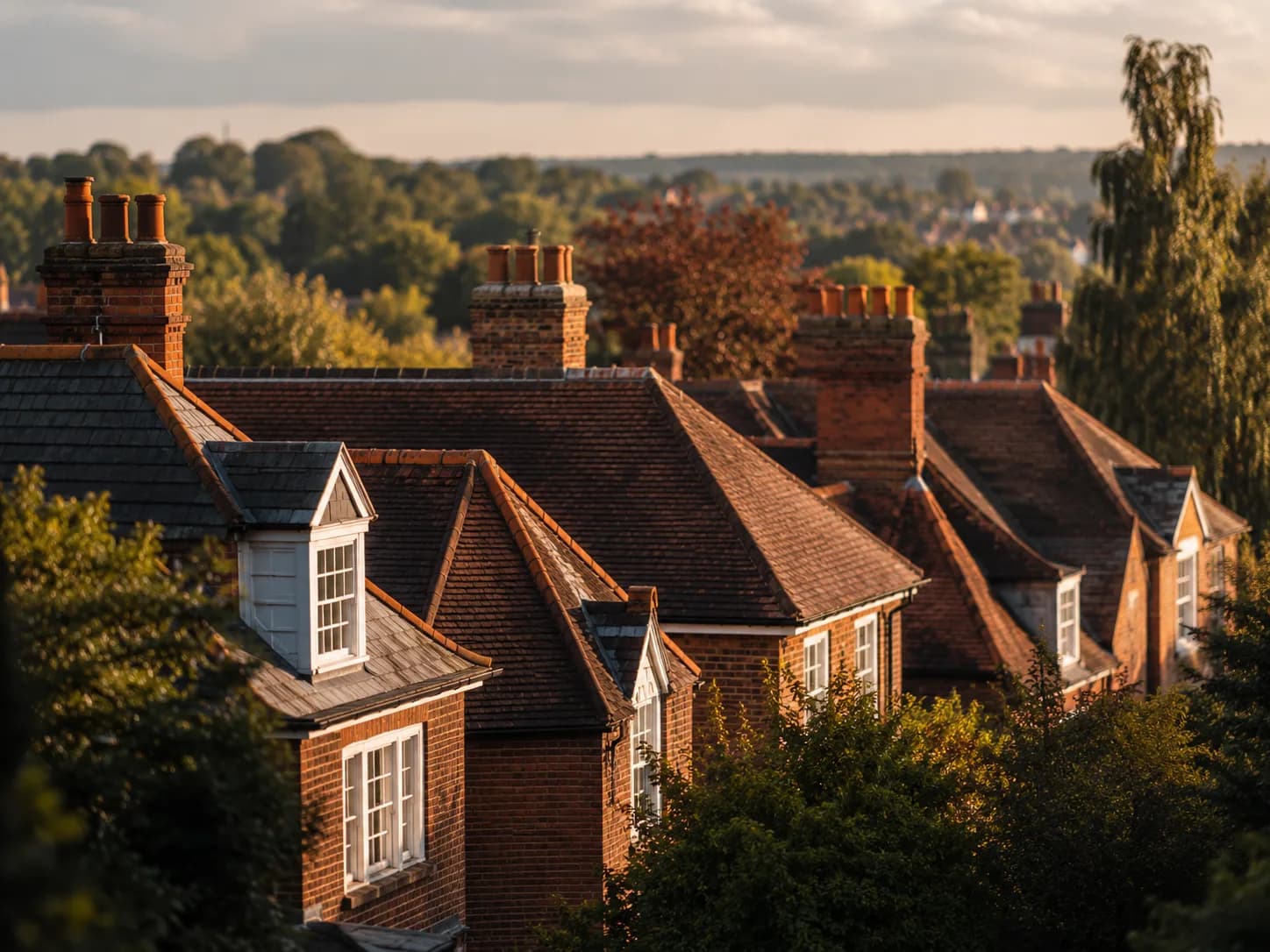
Temporary hosepipe restrictions are affecting many households across South West London and Surrey following a prolonged period of hot, dry weather.
As water suppliers can vary between neighbouring areas, residents should check their latest water bill or their supplier’s website to confirm whether a ban applies to their property.
What does a hosepipe ban mean?
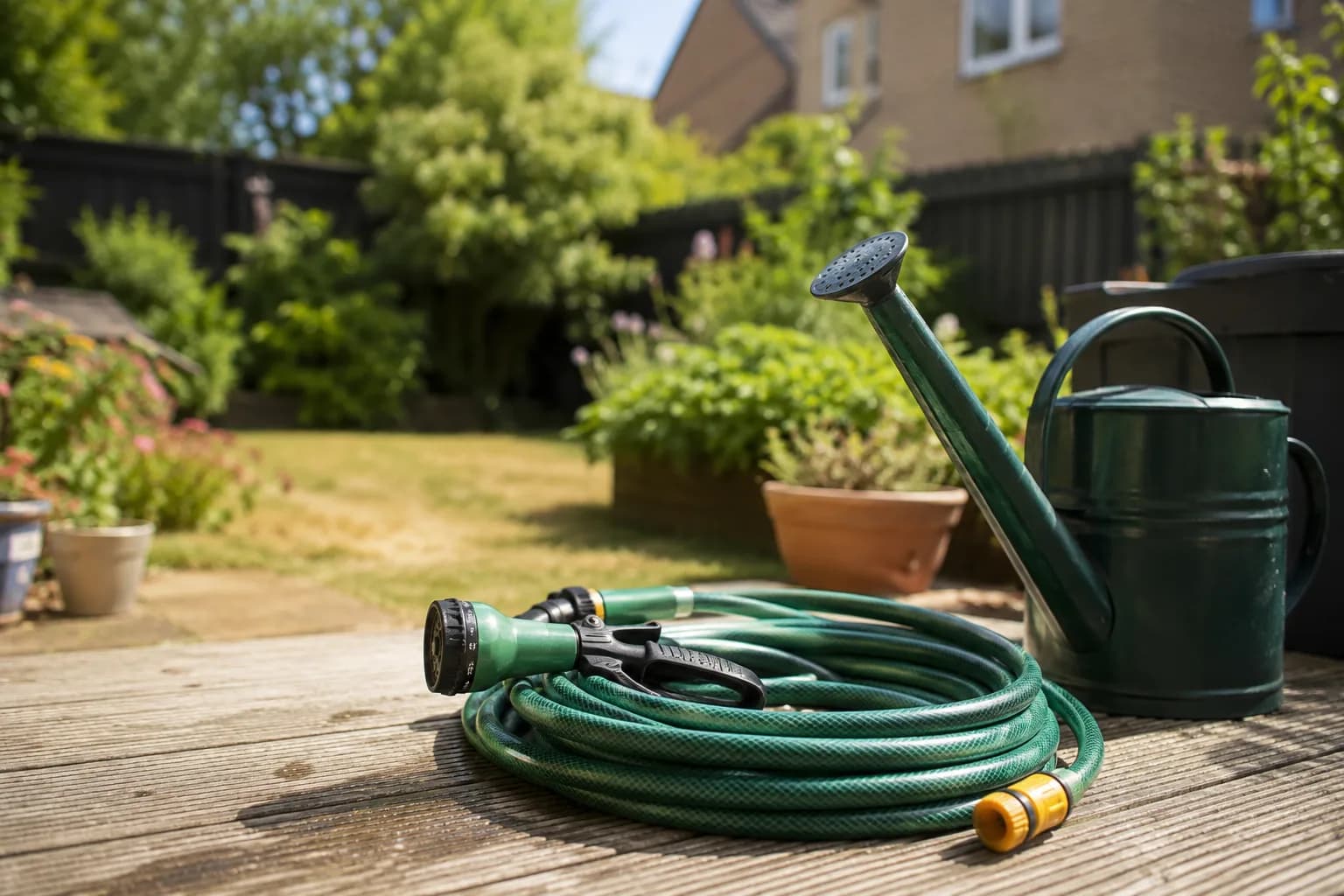
The exact restrictions vary slightly between suppliers, but householders are generally not permitted to use a hosepipe or sprinkler to water gardens and lawns, wash private vehicles, clean patios and outdoor surfaces, or fill paddling pools, swimming pools and hot tubs.
Watering cans and buckets can usually still be filled from a tap. Stored rainwater may also normally be used, including through a hose connected to a water butt, provided the water butt has not been filled with mains water.
How to protect your garden
Start by prioritising the plants that are most vulnerable to dry conditions. Pots, hanging baskets, vegetables, herbs, young trees, recently planted shrubs and plants showing clear signs of heat stress will usually need attention first.
Water slowly and directly around the base of each plant, ideally early in the morning or later in the evening when evaporation is lower. Avoid lightly sprinkling large areas, as this often wastes water and does not reach the roots effectively.
Moving containers into partial shade can help them retain moisture for longer. Grouping pots together, adding compost, bark or mulch around plants, and removing weeds will also reduce water loss. Rainwater collected in a water butt can be extremely useful, while suitable household water, such as water used to rinse fruit and vegetables, may also be reused.
Established lawns may turn brown during prolonged dry weather, but this does not necessarily mean the grass has died. Most lawns become dormant and recover when regular rainfall returns. Mowing less frequently and leaving the grass slightly longer can help protect it during hot weather.
Are there any exemptions?
Depending on the water supplier, exemptions may apply to food crops, newly planted gardens or turf, young trees and hedging, ponds containing fish, approved drip irrigation systems, and certain health, mobility, welfare or safety needs.
Each exemption comes with specific conditions, so residents should always check the rules issued by their own supplier before using a hosepipe.
Advice for tenants
Tenants should avoid installing irrigation systems or making changes to communal gardens without permission. Any concerns about shared outdoor areas should be raised with the landlord or property manager.
At Snow White Property Management, we encourage practical and responsible garden care to help protect outdoor spaces while local water restrictions remain in place.