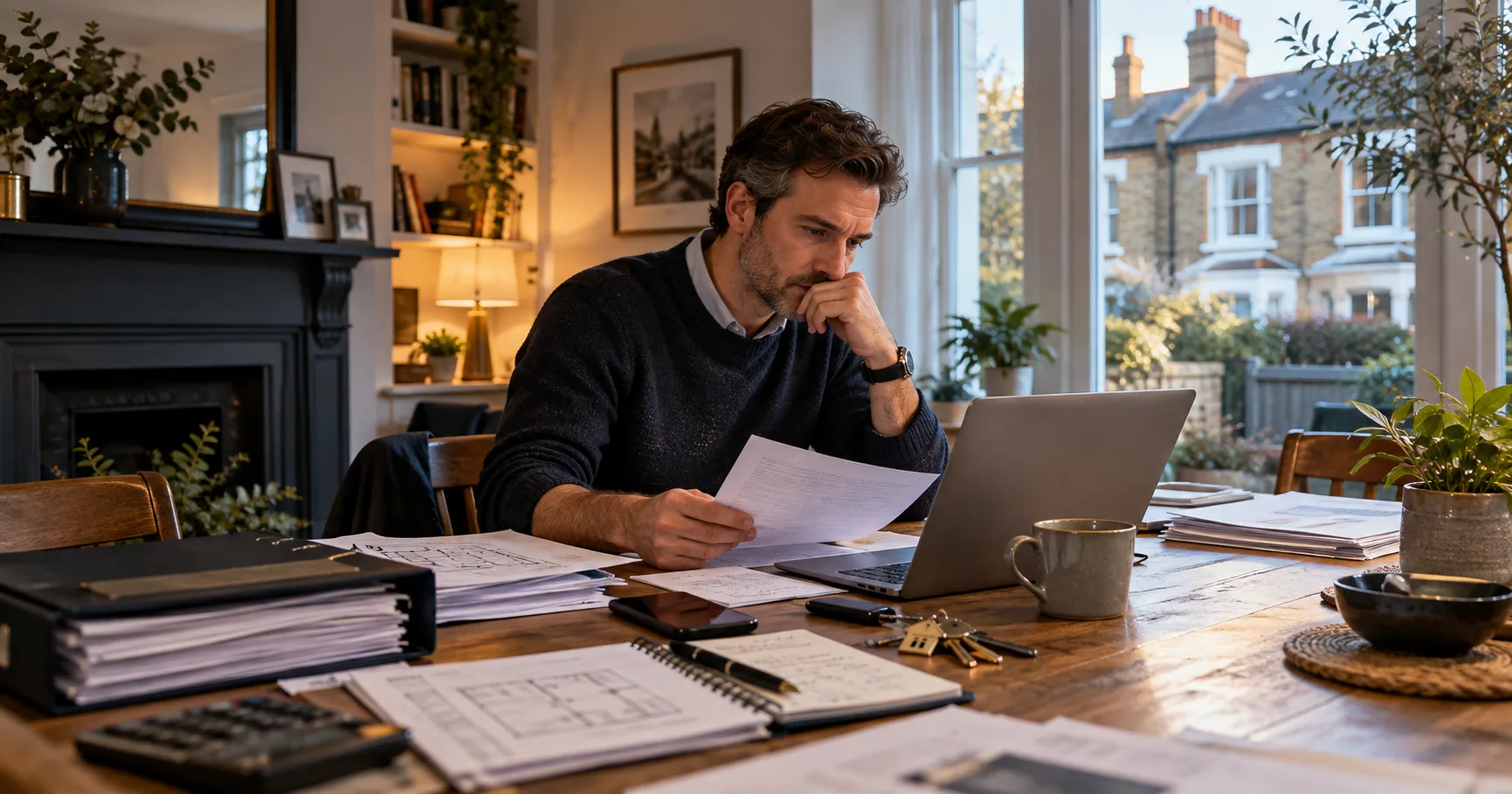
Managing a rental property involves far more than arranging a tenancy and collecting rent. A well-managed property relies on clear communication, accurate record keeping, planned maintenance, compliance monitoring and a consistent process for dealing with day-to-day issues.
For landlords, good property management helps protect the property as an investment. For tenants, it helps create a home that feels safe, organised and properly maintained. When a structured management process supports both sides, the tenancy is far more likely to run smoothly.
More Than Day-to-Day Admin
Property management is often underestimated because much of the work happens behind the scenes. A successful tenancy depends on many small details being handled correctly and at the right time.
This may include logging maintenance requests, coordinating contractors, monitoring safety certificates, arranging inspections, documenting communication and ensuring important tenancy information is kept up to date.
Without a clear system in place, it is easy for small issues to be missed. A delayed repair, an expired certificate or unclear communication can quickly create unnecessary problems. Good management reduces that risk by keeping the property organised and the tenancy properly documented.
Protecting the Property Long Term
A rental property should be treated as a long-term asset. Regular inspections, preventative maintenance and accurate reporting all help preserve its condition and value.
Small maintenance issues can become expensive if they are ignored. A minor leak, poor ventilation, damaged seals or faulty fittings may seem manageable at first, but over time they can lead to more serious damage.
A proactive management approach helps identify issues early. This allows repairs to be assessed, prioritised and tracked correctly. It also gives landlords a clearer understanding of the condition their property is in throughout the tenancy.
Clear Communication Creates Better Tenancies
Communication is one of the most important parts of property management. Tenants need to know who to contact, how to report an issue and what to expect once something has been raised.
For landlords, clear communication helps reduce confusion and keeps decisions properly recorded. This is especially important when dealing with maintenance, access arrangements, rent matters or tenancy changes.
Good communication does not need to be complicated. It needs to be consistent, professional and traceable. When everyone understands the process, there is less room for misunderstanding.
The Role of Systems and Record Keeping
Modern property management relies on more than phone calls and emails. Digital records, maintenance logs, inspection reports and document tracking all help create a more reliable management process.
Having a clear audit trail is valuable. It shows what was reported, when action was taken, which contractors were instructed and how matters were resolved. This can be particularly important if there is ever a dispute or a need to review the history of a tenancy.
Strong record-keeping also helps landlords make better decisions. When information is organised, it becomes easier to plan future maintenance, review costs and keep track of key responsibilities.
Supporting Tenants Without Losing Control
Good management is not only about protecting the landlord. It also improves the tenant experience.
Tenants are more likely to look after a property when they feel that issues are dealt with properly and communication is respectful. A well-supported tenant is also more likely to stay longer, which can reduce void periods and create a more stable rental arrangement.
This does not mean landlords need to be involved in every small detail. A professional management structure allows tenant matters to be handled efficiently while keeping the landlord informed where necessary.
Reducing Risk and Avoiding Reactive Management
Reactive management can be stressful and expensive. It usually means dealing with problems only after they have escalated.
A more structured approach focuses on prevention, monitoring and early intervention. This includes keeping compliance dates under review, checking the property condition at suitable intervals and responding to maintenance issues before they become more serious.
The aim is not to remove every possible risk, because property will always require attention. The aim is to reduce avoidable issues and create a more controlled management process.
Final Thoughts
Good property management is built on organisation, communication and consistency. It protects the landlord's investment, supports tenants and helps the tenancy operate with fewer avoidable problems.
A rental property is both a financial asset and someone's home. Managing it properly means balancing both of those responsibilities with care, professionalism and attention to detail.