The rental market is continuing to change, and landlords are having to think more strategically about how their properties are managed, presented and maintained.
In 2026, it is no longer enough for a rental property to simply be available and correctly priced. Landlords are facing a market shaped by changing legislation, higher tenant expectations, affordability pressures, energy efficiency concerns and a greater need for clear documentation.
For landlords who want to stay ahead, the focus should be on preparation, presentation and control. A well-managed property is not only easier to let; it is also more likely to attract reliable tenants, avoid unnecessary disputes and perform better over the long term.
Understanding the Market, Not Just the Property
A successful landlord needs to understand more than the condition of their own property. The wider market also matters.
Tenants are comparing properties carefully. They are looking at rent, location, energy performance, layout, broadband availability, transport links, storage, maintenance standards and overall value. A property that may have let quickly a few years ago may now need better presentation, clearer information or small improvements to remain competitive.
This does not mean every property needs a full refurbishment. Often, landlords can make a meaningful difference by improving the basics: clean finishes, working appliances, good lighting, clear photos, reliable heating and a property that feels properly prepared.
Tenant Expectations Are More Practical
Tenants are becoming more practical in how they assess rental homes. While appearance is still important, many people are now focused on how the property will work day to day.
Common considerations include: ● Is the property easy to heat? ● Is there enough storage? ● Is the broadband reliable? ● Are the appliances in good condition? ● Is the property secure? ● How quickly are repairs handled? ● Does the property feel clean, neutral and move-in ready?
These details can influence whether a tenant books a viewing, makes an offer or chooses another property. For landlords, this means the smaller practical features of a home are becoming more important.
Affordability Is Changing How Tenants Choose
Affordability remains one of the biggest factors in the rental market. Many tenants are not only looking at the monthly rent, but also the likely cost of living in the property.
Heating costs, energy efficiency, council tax, transport costs and general running expenses can all affect how attractive a property feels.
A higher rent may still be achievable if the property offers good value, but tenants are more likely to question properties that feel dated, inefficient or poorly maintained. In this market, value is not only about price. It is about whether the property feels worth the cost.
Landlords who understand this are in a stronger position. A well-presented, energy-conscious and properly maintained property can stand out more clearly against similar listings.
Energy Efficiency Is Becoming a Bigger Priority
Energy performance is increasingly important for both landlords and tenants.
Tenants want homes that are comfortable and cost-effective to run. Landlords need to consider how energy efficiency affects both compliance and tenant appeal.
Practical improvements can include better insulation where possible, draught reduction, efficient lighting, modern heating controls, well-maintained boilers and energy-efficient appliances. Even small upgrades can improve the way a property feels and performs.
Energy efficiency should not be seen only as a regulatory issue. It is also part of the property's market position. A warmer home, easier to manage and cheaper to run is likely to be more attractive to tenants.
Presentation Still Makes a Difference
In a competitive rental market, presentation matters.
Tenants often form an opinion quickly, especially when viewing properties online. Poor photos, cluttered rooms, tired paintwork or obvious minor repairs can weaken interest before a viewing even takes place.
A good presentation does not need to be expensive. Clean rooms, neutral decoration, natural light, tidy outdoor areas and well-maintained fixtures can all help create a stronger first impression.
A property should feel ready. If a tenant sees small issues during a viewing, they may assume there are bigger problems behind the scenes.
Compliance Needs to Be Organised, Not Last-Minute
The rental sector is becoming more regulated, which means landlords need to stay organised.
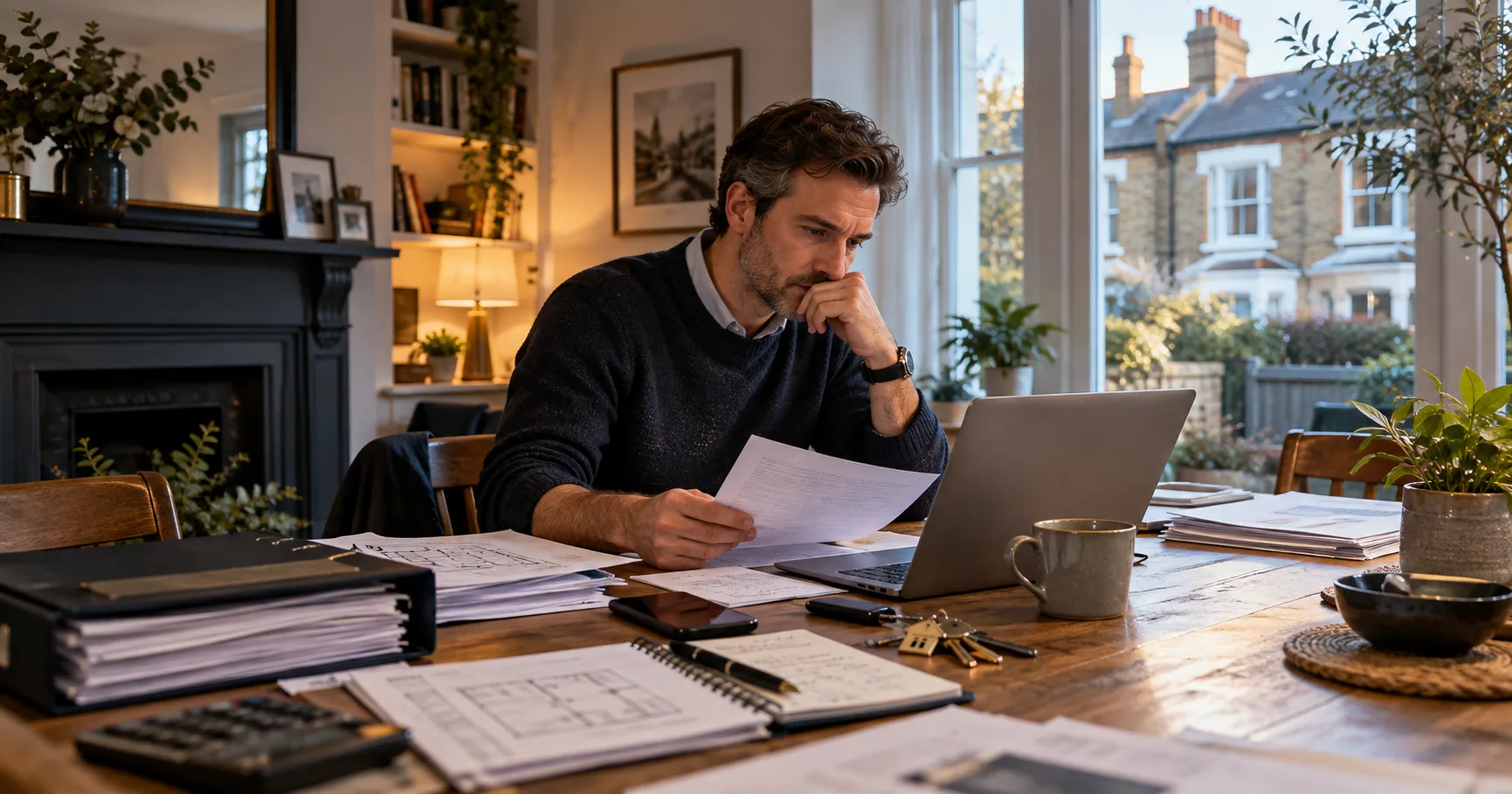
Important documents, safety checks, certificates, tenancy records and communication history should be properly stored and monitored. Leaving compliance matters until the last minute increases the risk of missed deadlines, delays and unnecessary stress.
A more organised approach gives landlords better control. Key dates can be tracked, documents can be reviewed before they expire and any required action can be planned in advance.
This is where digital systems can be useful. Cloud-based document storage, automated reminders, inspection reports and maintenance logs can all help landlords keep better oversight of their property.
Data Can Help Landlords Make Better Decisions
Modern property management is becoming more data-led.
Landlords can use information from maintenance records, inspection reports, contractor invoices, rent reviews, void periods and tenant feedback to make better decisions about their property.
For example, if the same repair keeps appearing, replacement may be more cost-effective than repeated callouts. If a property is taking longer to let, the issue may be presentation, pricing, energy performance or the way it is being marketed.
Good data helps remove guesswork. It allows landlords to see patterns, review costs and plan improvements more effectively.
Maintenance Should Be Proactive
Maintenance is one of the most important areas where landlords can stay ahead.
Reactive maintenance usually means waiting until something goes wrong. Proactive maintenance means identifying potential issues early and dealing with them before they become more expensive.
This may include checking ventilation, servicing heating systems, reviewing appliance condition, inspecting sealant, monitoring damp risk, checking external areas and keeping an eye on wear and tear between tenancies.
A proactive approach can reduce emergency repairs, protect the property and improve the tenant experience.
Good Communication Builds Confidence
Clear communication is important in any tenancy, but it becomes even more valuable in a changing market.
Tenants want to know how issues will be handled and who they should contact. Landlords need communication to be recorded, professional and consistent.
Good communication helps prevent misunderstandings. It also creates a clearer audit trail if there is ever a dispute or complaint.
For landlords, communication should not be casual or scattered across different channels without a record. A structured approach helps keep the tenancy organised and protects everyone involved.
Staying Ahead Means Thinking Long Term
Landlords who stay ahead of the market tend to think beyond the current tenancy.
They consider how the property is performing, what improvements may be needed, whether maintenance costs are increasing, how the property compares with others nearby and whether it still meets tenant expectations.
This does not always require a major investment. Sometimes, the most effective changes are small and practical: better lighting, fresh decoration, improved storage, updated appliances, clearer documentation or a more responsive maintenance process.
The key is to review the property regularly rather than waiting until problems appear.
Final Thoughts
The rental market in 2026 is more demanding, more informed and more competitive.
Landlords need to understand not only their property, but also the expectations of the people living in it.
Staying ahead means being organised, proactive and realistic. It means keeping documents in order, maintaining the property properly, understanding tenant priorities and using information to make better decisions.
A rental property that is clean, efficient, well presented and professionally managed is more likely to stand out for the right reasons.
For landlords, the aim is not just to let the property. It is to protect its value, reduce avoidable risk and create a tenancy that works well from the beginning.